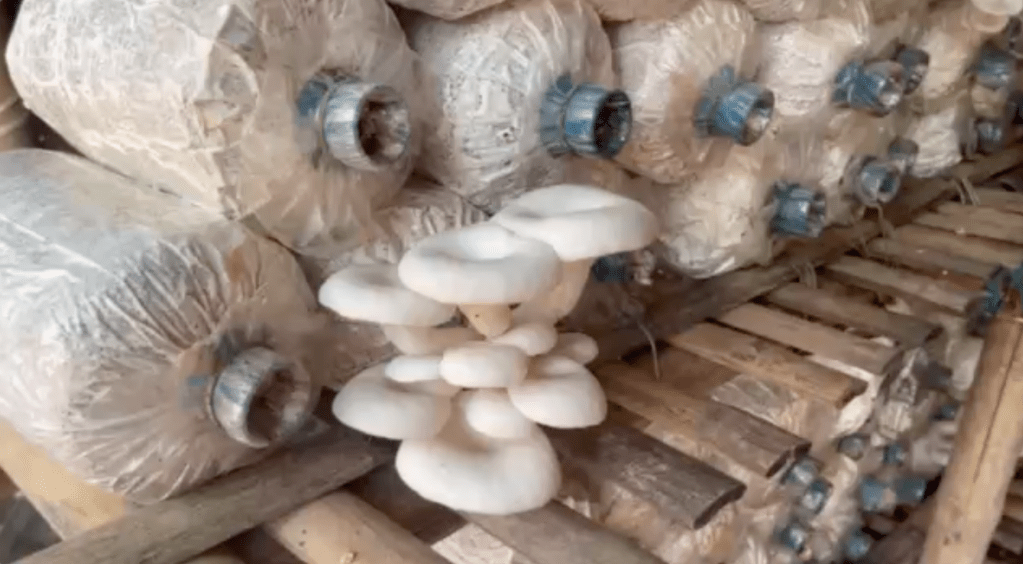
I am Mary Zar (due to security concerns amidst the ongoing civil war my real name is witheld), an agriculture professional from Myanmar aged 28 with over five years of on-the-job experience in sustainable agriculture, women’s livelihoods development, and community-based project management. My journey began at university, where I organized environmental awareness projects, including World Environment Day activities, and initiated the Green Campus Movement to encourage student responsibility toward the environment. Since the COVID-19 pandemic and the civil war in Myanmar, I have launched a women-led mushroom farming and home gardening project in 2021.
The overall goal of the project is to strengthen food security and sustainable livelihoods especially among marginalized women and young people through environmentally friendly, small-scale mushroom enterprises. The project takes a community-led and practical approach that combines hands-on technical training, small enterprise development, and sustained follow-up support. All activities are designed to be accessible, culturally appropriate, and sensitive to local security and mobility constraints. Rather than promoting large-scale commercial production, the project prioritizes low-cost, home-based mushroom farming that women and young people can manage alongside household and livelihood responsibilities.
My abilities include project coordination, community mobilization, sustainable agricultural training, participatory facilitation, and responsible management of small grants in resource-constrained and conflict-prone areas.
The total project budget is USD 46,000, allocated over three years at USD 15,000 per year. The budget will cover training costs, materials and inputs, mentorship and follow-up support, travel, value-added product development, alumni networking activities, and project coordination, monitoring, and reporting.
To help support, make a donation, or learn more, please contact the sponsor of this campaign at: ogigaya[at]gmail.com
Project Duration : 2026 – 2028 (36 months)
Total Budget : USD $46,000
Background and Context
Rural livelihoods have been affected by the COVID-19 pandemic in the years. The country has been deteriorated due to the miliary coup in Myanmar after the Covid-19 pandemic effecting the civilians especially among women and the youth. Due to the constant increasing living costs and the forced recruitment of military coups, men and the younger generation have to leave the county for safety and for livelihoods. As the result, the family members left behind in the country especially the women have to face many challenges including earning incomes with limited opportunities to support and to take care of the family.
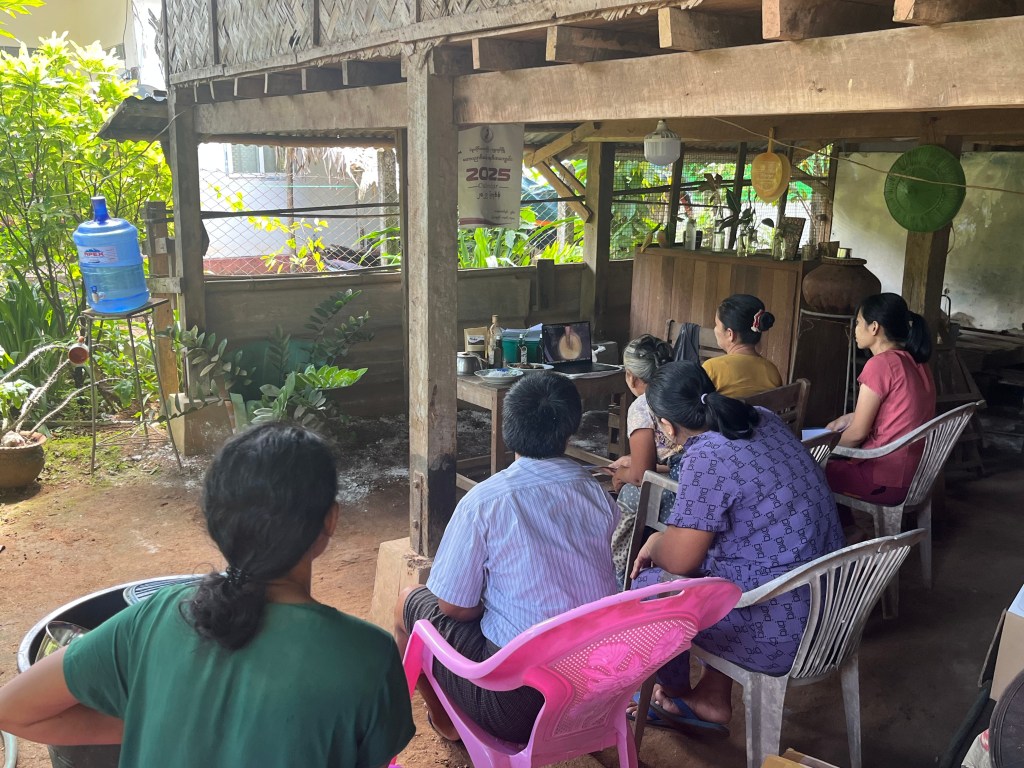
The high cost of food prices and increased use of chemical inputs (farming) has made it harder for the family out of reach from the affordable, safe and nutritious food. This problem is experienced especially in the Bago Region and Southern Shan State. In Southern Shan State, the situation is made worse by the current insecurity that limits movement, disturbs markets, and limited opportunities for youth especially among ethnic minorities. As a result, most of the women and young people have few livelihood options and rely more on outside help.
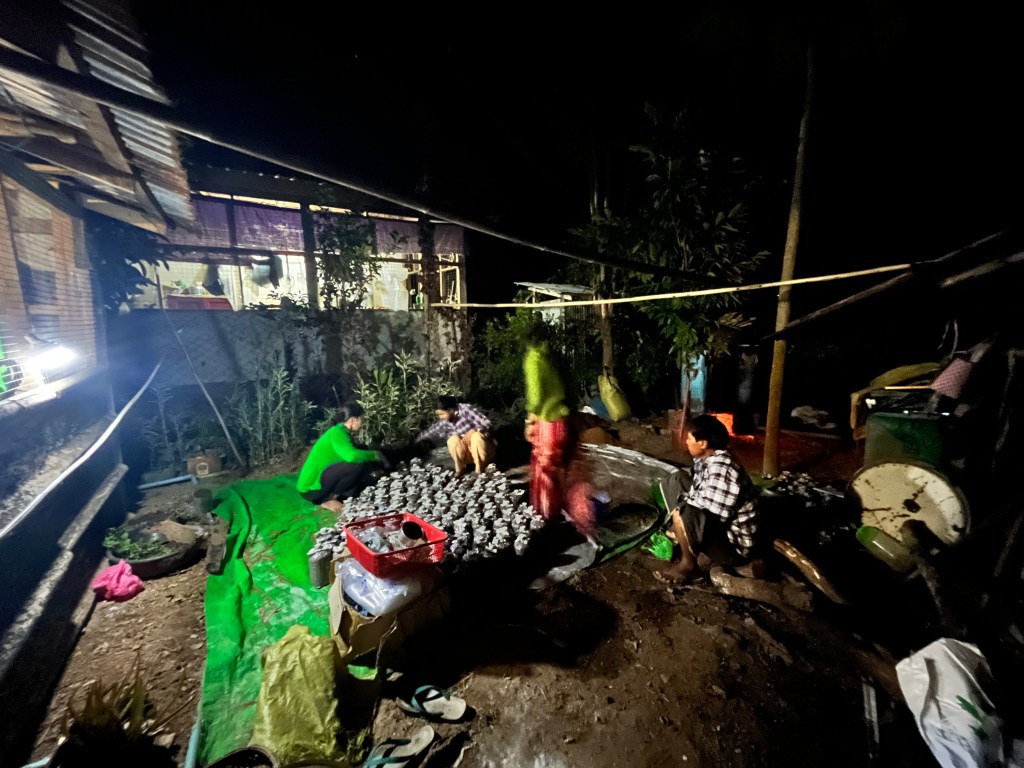
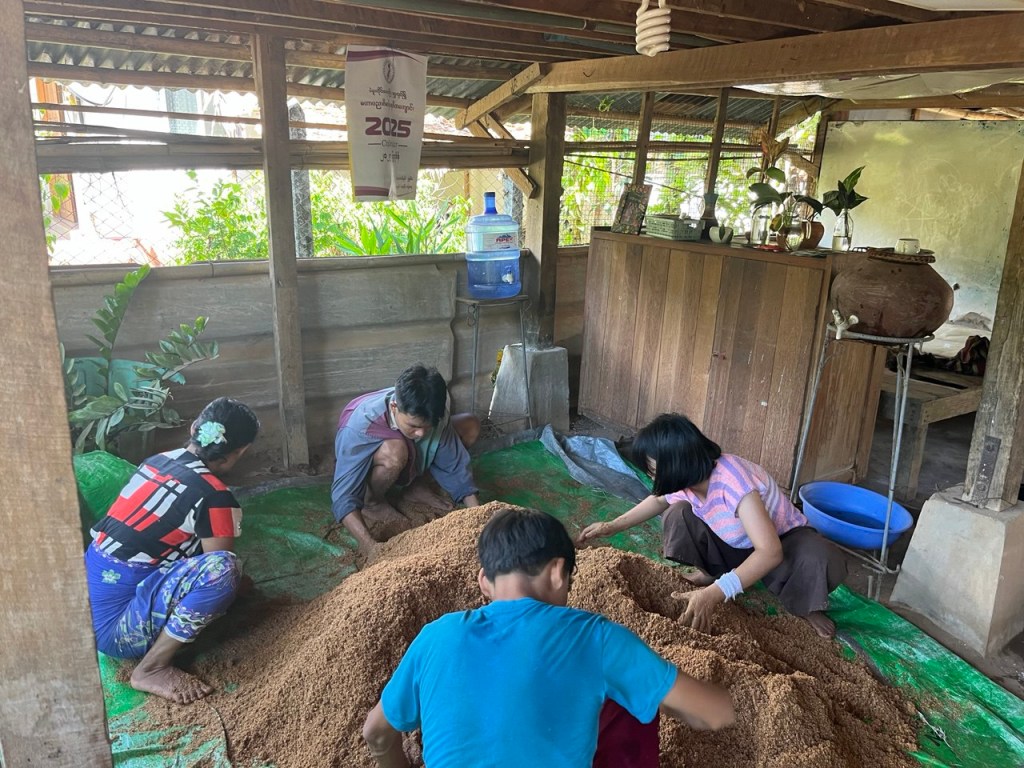
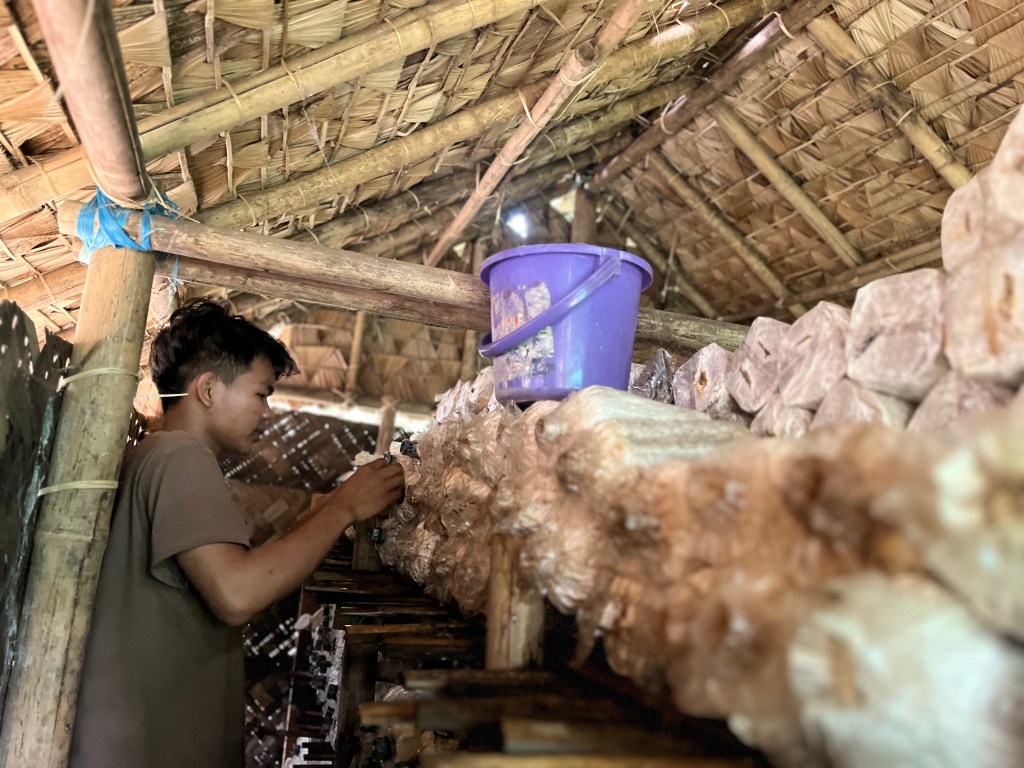
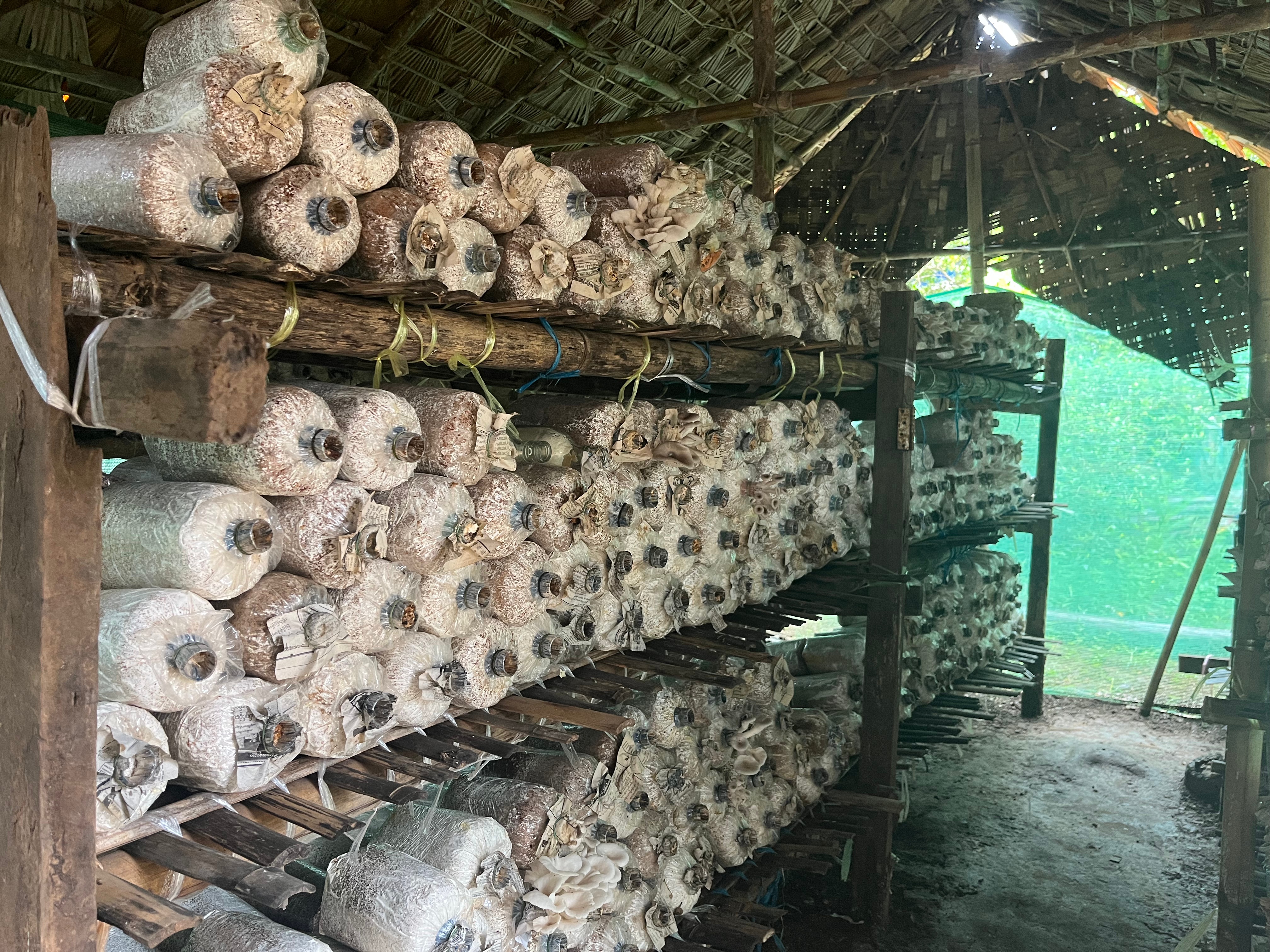
As a response to these challenges, in 2022, the founder of the project started a small home-based garden and mushroom production enterprise in collaboration with the local women. This community project showed that mushroom farming can be a viable and available source of livelihood. Women could also use locally available material such as sawdust and agricultural waste to produce food like mushrooms to serve their families, earn extra income, and minimize their dependence on chemically cultivated vegetables in the market. Equally crucial, the process provided a common learning environment in which women facilitated each other as well as found confidence in collective action.
It is based on the experiences over three years of the project. It aims to increase the community-based mushroom production to other townships, incorporating women and young people of different ethnic communities. The project is based on the fact that sustainable livelihoods, food security and social resilience are closely interconnected and particularly in the case of fragile and conflict situations.
Project Goal
The overall goal of the project is to strengthen food security and sustainable livelihoods especially among marginalized women and young people through environmentally, friendly, small-scale mushroom enterprises.
Project Objectives
- To create income-generating opportunities for women and young people through small-scale mushroom enterprises.
- To promote environmentally sustainable farming practices using low-cost, low-chemical production methods.
- To improve household nutrition and local food availability through increased mushroom production.
- To strengthen social cohesion among women and young people from diverse ethnic backgrounds through collective learning.
Target Groups and Beneficiaries
The main beneficiaries of the project will be the women and youth between 20 and 50 years of age residing in the Bago Region and Southern Shan State. Around 15-20 women will be engaged in each location with a preference on women who have limited livelihood, those with female headed families and youth who have been impacted economically and those living in areas of local unrest.
- Direct beneficiaries: 20 women and young people aged 20–50 years
- Indirect beneficiaries: the household members will experience better food security and increased income and local consumers will receive access to the low chemical mushroom products at affordable prices. The broader community will also gain when sharing of knowledge in an informal way and awareness in sustainable food production methods.
- Priority groups include:
- Women with limited or unstable livelihood opportunities
- Female-headed households
- Youth who have been economically impacted by conflict and instability
- Women and youth living in areas affected by local unrest and insecurity
Project Approach and Design
Theproject takes a community-led and practical approach that combines hands-on technical training, small enterprise development, and sustained follow-up support. All activities are designed to be accessible, culturally appropriate, and sensitive to local security and mobility constraints. Rather than promoting large-scale commercial production, the project prioritizes low-cost, home-based mushroom farming that women and young people can manage alongside household and livelihood responsibilities.
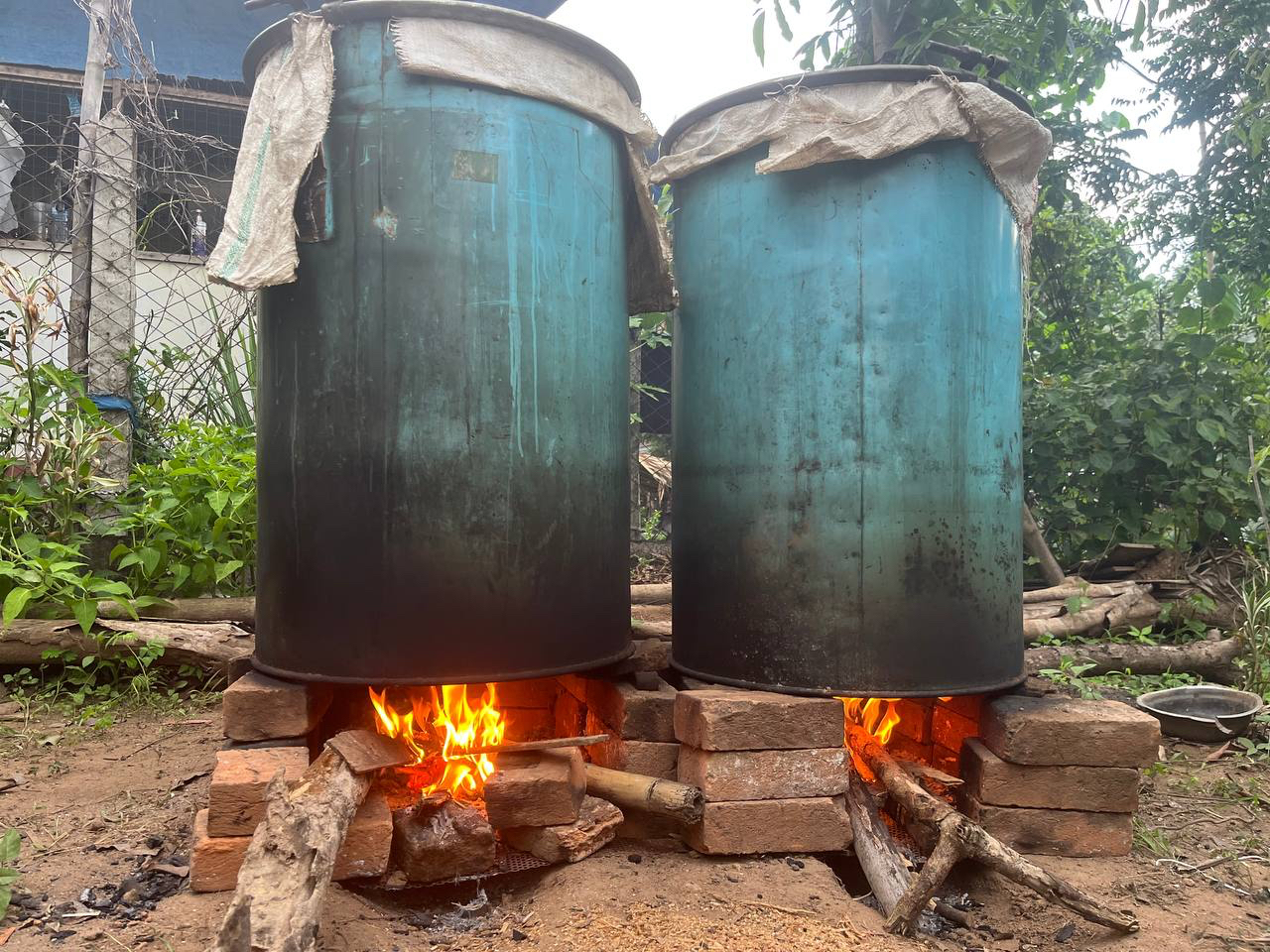
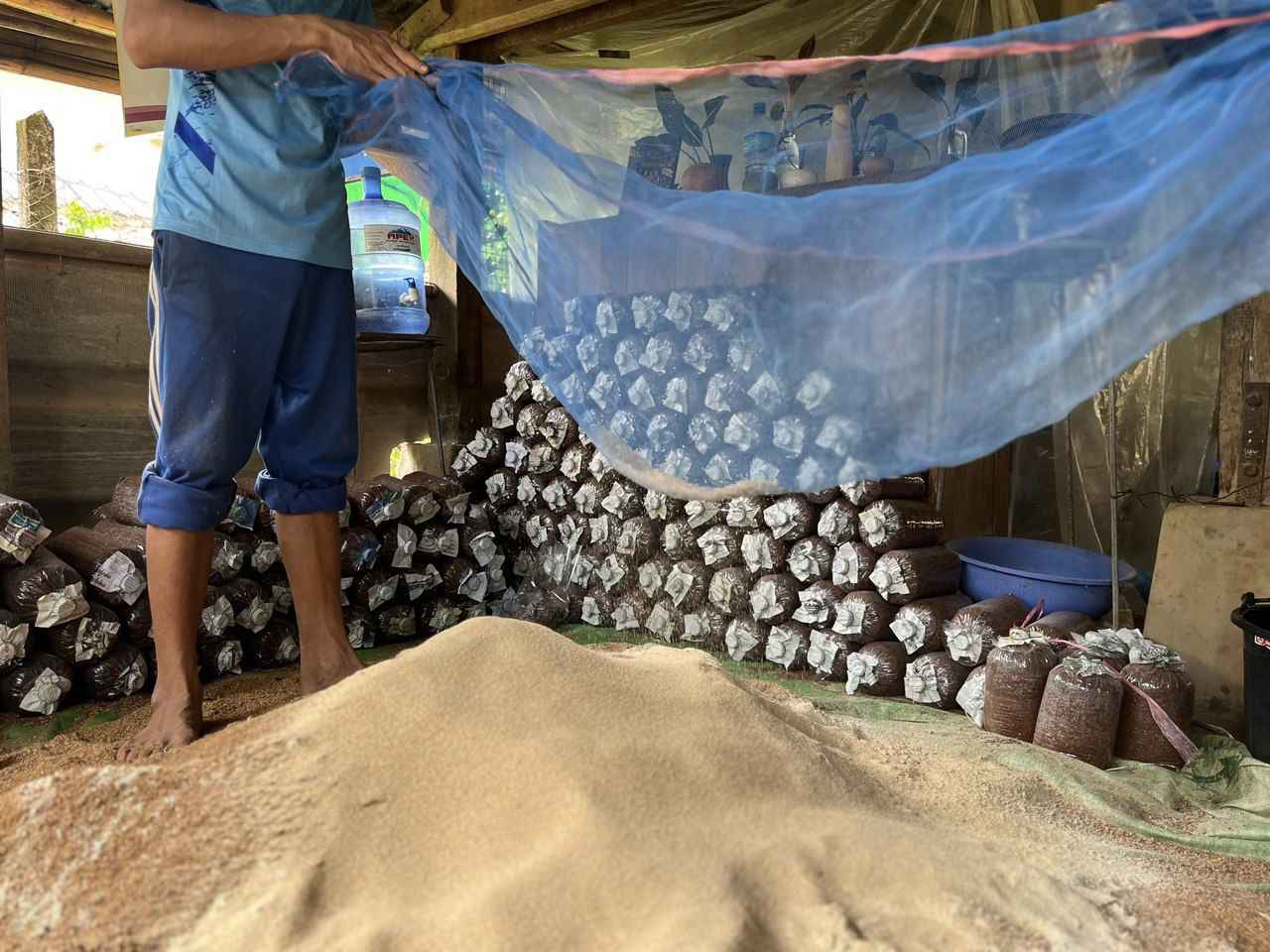
Mushroom production trainings will be conducted in three phases across the project period. A five-day intensive, hands-on training will take place in May 2026 in the Bago Region, followed by similar trainings in October 2026 and March 2027 in Southern Shan State. Each training will run for full days and combine practical demonstrations with guided practice. Topics will include substrate preparation using locally available materials, inoculation basics, hygiene and care during cultivation, harvesting techniques, and simple storage methods. Training methodologies will emphasize learning by doing, peer exchange, and problem-solving grounded in local conditions.
Following each training, all participants will receive basic materials such as mushroom spawn, substrates, and basic tools to begin production at home or in shared community spaces. Approximately one month after each training, participants’ progress and commitment will be reviewed through follow-up visits or check-ins. Based on clear selection criteria such as consistency in production, willingness to collaborate, and motivation to continue five participants per location will be selected for advanced enterprise support.
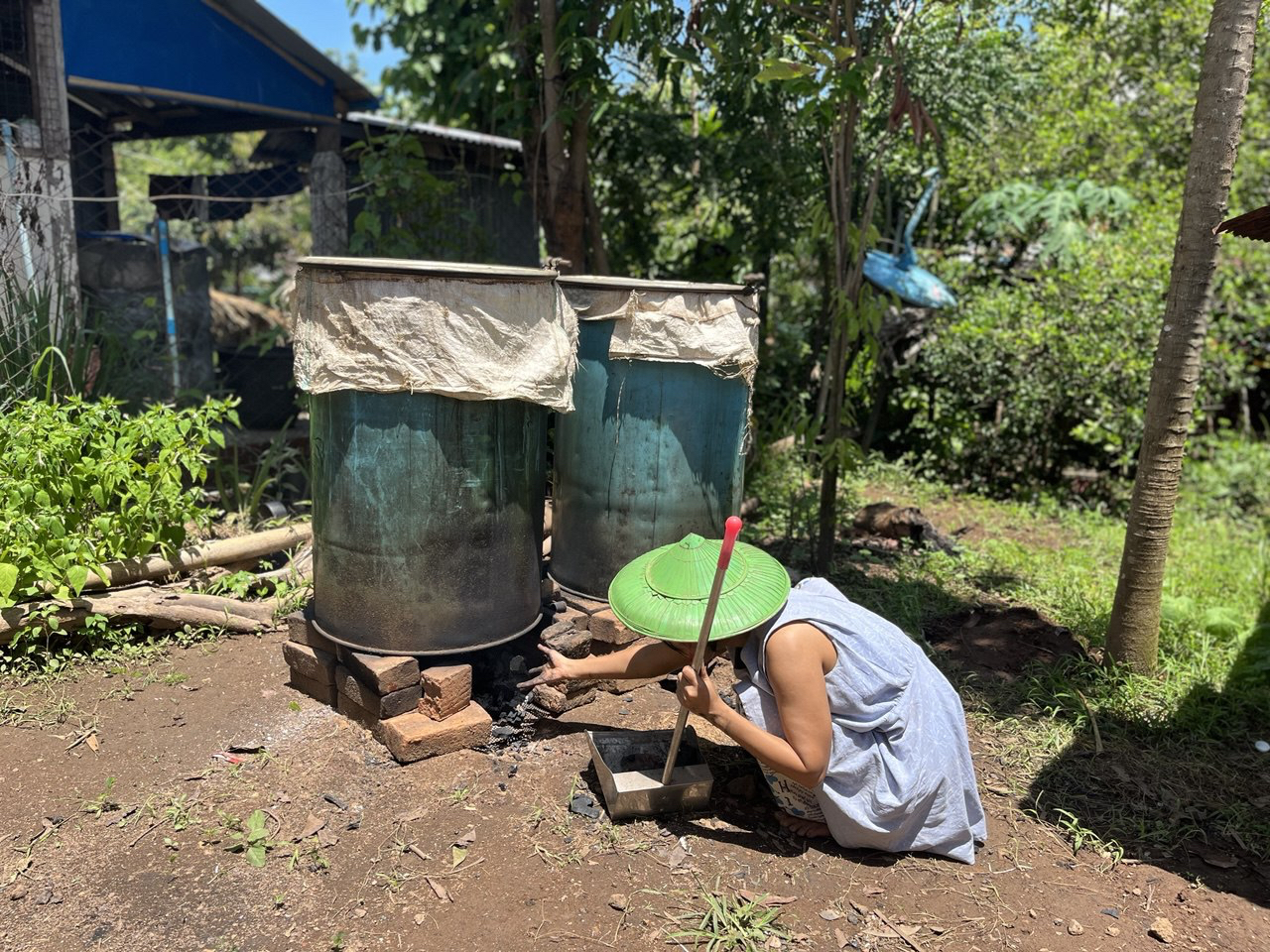
Selected participants will receive additional assistance to strengthen their production capacity. This support will include the construction of simple mushroom huts, increased production equipment (including mushroom steaming pots), and targeted technical guidance. Each selected enterprise will receive two mushroom steaming pots, with a total of six pots distributed across the three locations. These inputs are intended to help participants move from trial production toward more stable and income-generating operations.
Value Addition, Networking, and Wellbeing
As production stabilizes, selected participants will be supported to explore value-added products such as dried mushrooms, improved packaging, and basic quality control. A three-day value-added and inoculation training will be conducted in October 2027 in Yangon, focusing on low-cost processing techniques and market awareness.
In February 2028, alumni gathering and wellbeing training will bring participants together from all three locations. This event will provide space for peer learning, experience sharing, and collective reflection, while also addressing wellbeing, resilience, and mutual support.
The alumni gathering will strengthen relationships across ethnic and geographic boundaries and help build trust among women and youth. By fostering networks and shared learning, the project lays the groundwork for continued collaboration, solidarity, and long-term cooperation beyond the project period.
Environmental Sustainability and Climate Resilience
The design of the project is focused on environmental sustainability. Mushroom farming uses the local agricultural waste like sawdust and hence, has less environmental impact and encourages the efficient utilization of resources. The method reduces the use of chemical inputs and only requires minimal land and water and is therefore especially suitable to the climate-exposed and land-scarce households. The project helps in encouraging low-cost and eco-friendly agricultural activities which can in turn support livelihoods that are climate resistant, that can be maintained even after the project period. This project is not only about improving livelihoods. It is also about the values that guide how we work together. While the project supports income generation, it is rooted in respect for the environment, the meaningful use of local resources, and the revival of collective ways of working within the community. We see livelihood activities not just as a way to earn income, but as a value-based and sustainable process.
By working together, participants gradually learn to respect one another, listen more carefully, and understand each other better. These values of trust, empathy, and cooperation are intentionally nurtured as we believe that sustainable livelihoods grow stronger when communities are built on mutual understanding and shared responsibility.
Gender and Conflict Sensitivity
The project makes women the core of its operations as they are important to the food security of the household and community. The project provides the learning spaces where both the women and youth of various ethnicities get to know each other by purposely involving them. The activities are not intended to be political, but inclusive and flexible to the local security situation and location so that the involvement does not expose the beneficiaries to greater risk.
All activities will be adapted to local security conditions, prioritizing flexibility, discretion, and participant safety through decentralized and small-group approaches where necessary.
Mentorship, Follow-up, and Income Management
Ongoing mentorship is a core component of the project design. After initial trainings, participants will receive continuous technical guidance and encouragement through follow-up visits, online check-ins, and peer exchange. Monitoring visits will be conducted twice in the first year for the first two groups, and once in the second year for the third group, with earlier groups supported through online follow-up during later phases.
Income generated from mushroom sales will be managed at the enterprise level by participants. During mentorship sessions, participants will be introduced to simple income management practices, including basic record-keeping and planning. Each small enterprise will be encouraged to divide income into three main categories: household use, reinvestment for continued production, and savings. This approach supports both immediate livelihood needs and longer-term sustainability.
As part of the follow-up support, selected enterprises may receive small conditional grants ranging from MMK 1,000,000 to 1,500,000. Rather than a one-time contribution, this financial support will be provided progressively over the three-year project period, based on the evolving needs of each enterprise. The grants are designed to strengthen production capacity at different growth stages and will be allocated according to performance, commitment, and clearly articulated production plans. Grant utilization will be closely monitored to ensure transparency, accountability, and effective reinvestment, with the overarching aim of supporting the long-term sustainability of the enterprises.
Final Gathering and Collective Learning
In the final year of the project, a collective gathering and final workshop will be organized to bring together selected participants from all three locations. This event will provide space for reflection, peer learning, and sharing of challenges and successes. Participants will exchange practical experiences, discuss lessons learned, and explore possibilities for continued collaboration beyond the project period. The gathering will also serve to reinforce social cohesion among women and youth from diverse ethnic backgrounds.
Expected Results and Indicators
At the project completion, it is expected that women and youth participants will have acquired some practical skills on sustainable mushrooms production and management of small enterprises. A minimum of 15 small mushroom businesses will be created in the three target townships and help raise the level of household income and access to healthy food. The communities will receive more access to low-chemical products in foods, less reliance on external food sources, and improved social network between women and youth of diverse ethnic practices.
Budget Overview
The total project budget is USD 46,000, allocated over three years at USD 15,000 per year. The budget will cover training costs, materials and inputs, mentorship and follow-up support, travel, value-added product development, alumni networking activities, and project coordination, monitoring, and reporting.
| Budget Category | Year 1 | Year 2 | Year 3 | Total | Notes |
| Trainings & Materials | 6,000 | 6,000 | 6,000 | 18,000 | Includes trainer fees, training materials, starter kits for participants |
| Travel & Logistics | 2,500 | 2,500 | 2,500 | 7,500 | Field travel for facilitators, participants, and local visits |
| Mentorship, Support Enterprise Setup & Follow-up | 3,000 | 3,000 | 4,000 | 10,000 | Includes facilitator honorarium, peer support, ongoing mentoring |
| Coordination & Reporting | 3,500 | 3,500 | 3,500 | 10,500 | Project lead and coordinator time integrated, monitoring & reporting |
| Total | 15,000 | 15,000 | 16,000 | 46,000 |
Conclusion
The project is based on local experience and is passionate about a long-term dedication to women empowerment, food security, and environmental responsibility. The project aims at establishing viable and respectable livelihoods paths by developing existing community-based approaches that are known to be effective and enhancing the capacities and self-esteem of women and youth in an environment characterized by unpredictability and transformation. The project, with the help of small-scale mushroom enterprises, can provide not only income and food, but also a basis of solidarity and unity.
 JNEB
JNEB 